
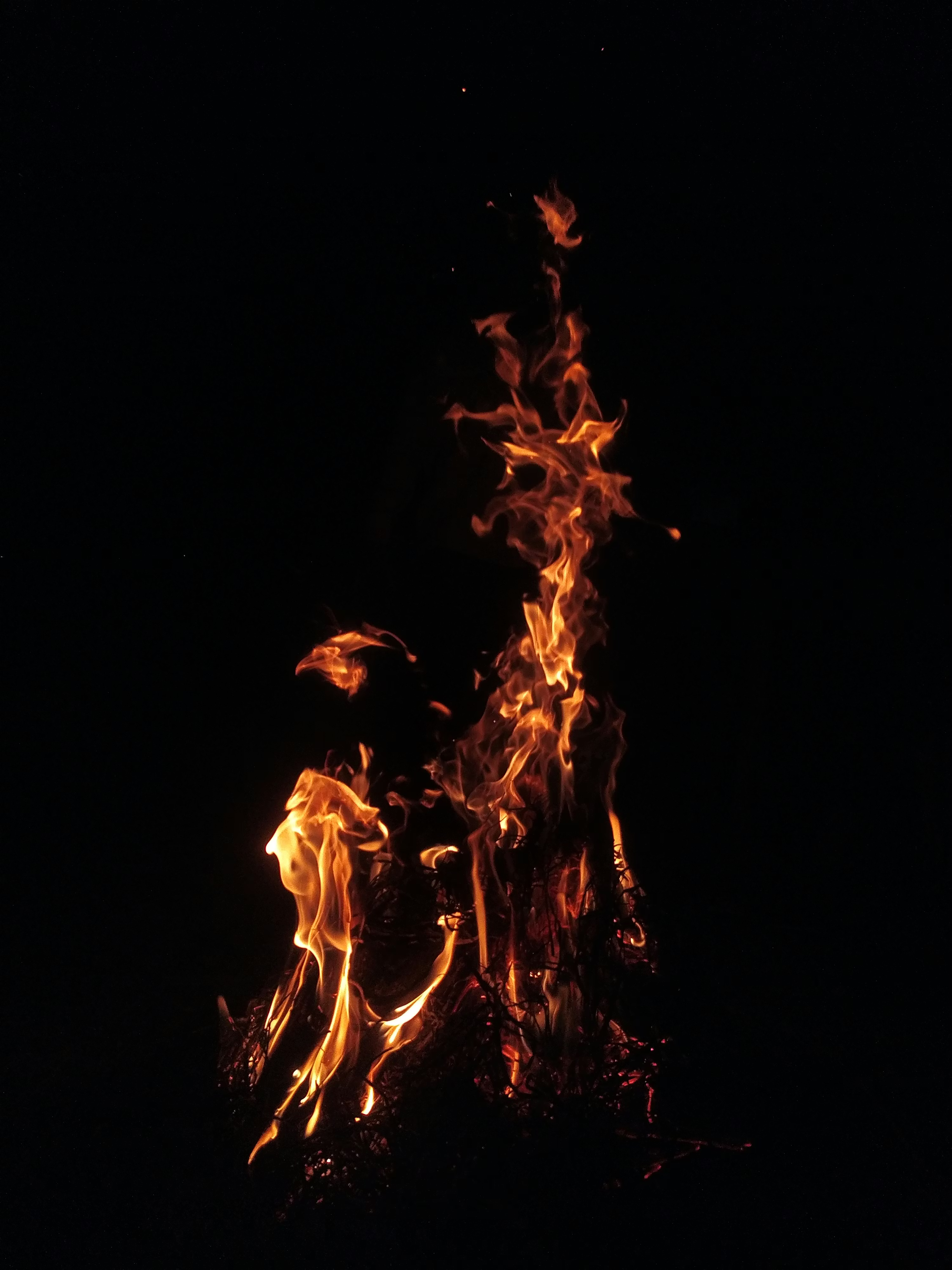
Sacred wisdom of all traditions universally reminds us of the pitfalls and dangers of harboring and holding on to anger. Confucius denounces anger as the most potent of human failings, berating our inability to control anger as the root of most human misfortune.
Yet, anger remains an enigma to most of us. Anger and its all too familiar whimsical cousin – irritability manifest themselves rather early in human lives stubbornly remaining a constant. We grow from irritated babies to rebellious teenagers, from angst ridden, seething adults to cantankerous elderly individuals. No surprise then that we are a society and a species that is perpetually angry.
Stripped of the so-called grandeur of our self-declared importance as a life form, we are after all merely an inflammable cocktail of chemicals walking around for a moment in time. Vladimir Nabakov captured the ephemeral nature of human existence, “our existence is but a brief crack of light between two eternities of darkness.” No surprise then that anger, hatred and its corollaries - violence and despair together become the burden we are all forced to carry in some form or the other. Of these, none is darker than anger. It is in many ways the preceptor of all that is corrosive and potentially self-destructive. Medical science corroborates this eloquently.
To those of us who flounder and attempt to navigate our way through the maze that is the twenty first century world, what do we make of this persistent prickly thorn that seems to flourish with abandon in our lives?
Like all human emotions, the function of anger is to provide a coping strategy for survival. Indeed, a cursory glance at human history reminds us that a defiant sense of anger, indignation at existing unjust social systems was the spark that ignited many revolutions. Collective anger that grows into a movement without spiralling into mob fury holds the potent power for social change.
Our concern is with the damaging effects of personal anger that we are tormented with and in turn torment others with, when words become weapons that lacerate the soul. Is anger then the cry of a pained, sorrowful heart that has momentarily forgotten the gentle salve of kindness? Is anger another word for disappointment perhaps? Gentleness, kindness are these mere words or impractical ideals in a world that worships at the altar of ruthless competition? What if we imagined an alternative world where gentleness with self and others is a practice rather than a derided idea?
As with most conundrums of human existence, the questions we grapple with usually find an answer in the gift that is art and sacred wisdom. Mystical poetry has long extolled the conquest over self as the greatest of all victories. Truly then, “Let there be peace on Earth and let it begin with me” (song by Jackson Miller, 1955)[1]
I think I really needed to read this. As we grow older, it sometimes feels like we start carrying more anger with us. When we are younger, anger passes quickly, but with time it feels like we begin to hold on to it longer.
I also remember something you once said in a Business Communication tutorial that "there are no negative emotions, only limiting emotions, and that they are often trying to protect us in some way."
The line that I can relate to most was “Is anger another word for disappointment perhaps?” I feel that many times it really is. Sometimes anger comes from caring deeply. For example, when I see my mother always taking care of everyone else but forgetting that she also deserves care and pampering, it makes me feel angry but maybe what I’m actually feeling is concern for her.
Thank you for sharing this. It gave me a moment to reflect on my own emotions.
Very well expressed, Neena. Anger, it seems, is a manifestation of human selfishness and ego. If one can't get what one wants, one tends to get upset about it. It is often difficult to accept that those around us are as important as we are and that we are not superior to anyone else.